7 Things I Changed When Nothing Else Was Working

I want to be upfront about something: this isn't a dramatic transformation story. I didn't lose 100 pounds overnight or discover some secret the medical industry doesn't want you to know. What I'm sharing is simply what worked for me after a long stretch of trying things that didn't.
I'm a school librarian in Portland. I've always been fairly health-conscious — I cook at home most nights, I walk the dog every morning, I try to sleep enough. But for a few years, I felt like my energy and my overall sense of wellbeing weren't where I wanted them to be, no matter what I adjusted.
What I Had Already Tried
I want to be honest about what I put myself through, because if you're reading this, your list might look similar:
Strict dietary protocols: Two separate attempts, different frameworks. Initial progress, then plateau. The second attempt left me feeling worse than before I started.
Time-restricted eating: Made my sleep worse and created an anxiety around meals I hadn't had before.
A popular "reset" program: Cost a significant amount of money. Results lasted about two weeks.
I share these not to be discouraging, but because I think it's more useful than pretending I stumbled onto a miracle on the first try.
What I eventually understood: I had been focusing on inputs — what to eat, when to eat — without considering whether my body's underlying processes were functioning the way they should. That shift in perspective changed everything.
The Seven Changes
Switched to a protein-first breakfast. Instead of skipping or eating light in the morning, I started each day with a substantial protein source within 45 minutes of waking. My afternoon energy stabilized noticeably within two weeks.
Moved my main meal to midday. The body processes nutrients differently at different times of day. Shifting my largest meal to lunch and keeping dinner lighter made a noticeable difference in how I felt by morning.
Added a short evening walk. Not for exercise — just a 15-20 minute walk after dinner. Sleep quality improved. I stopped reaching for snacks after 8 PM. It became something I genuinely looked forward to.
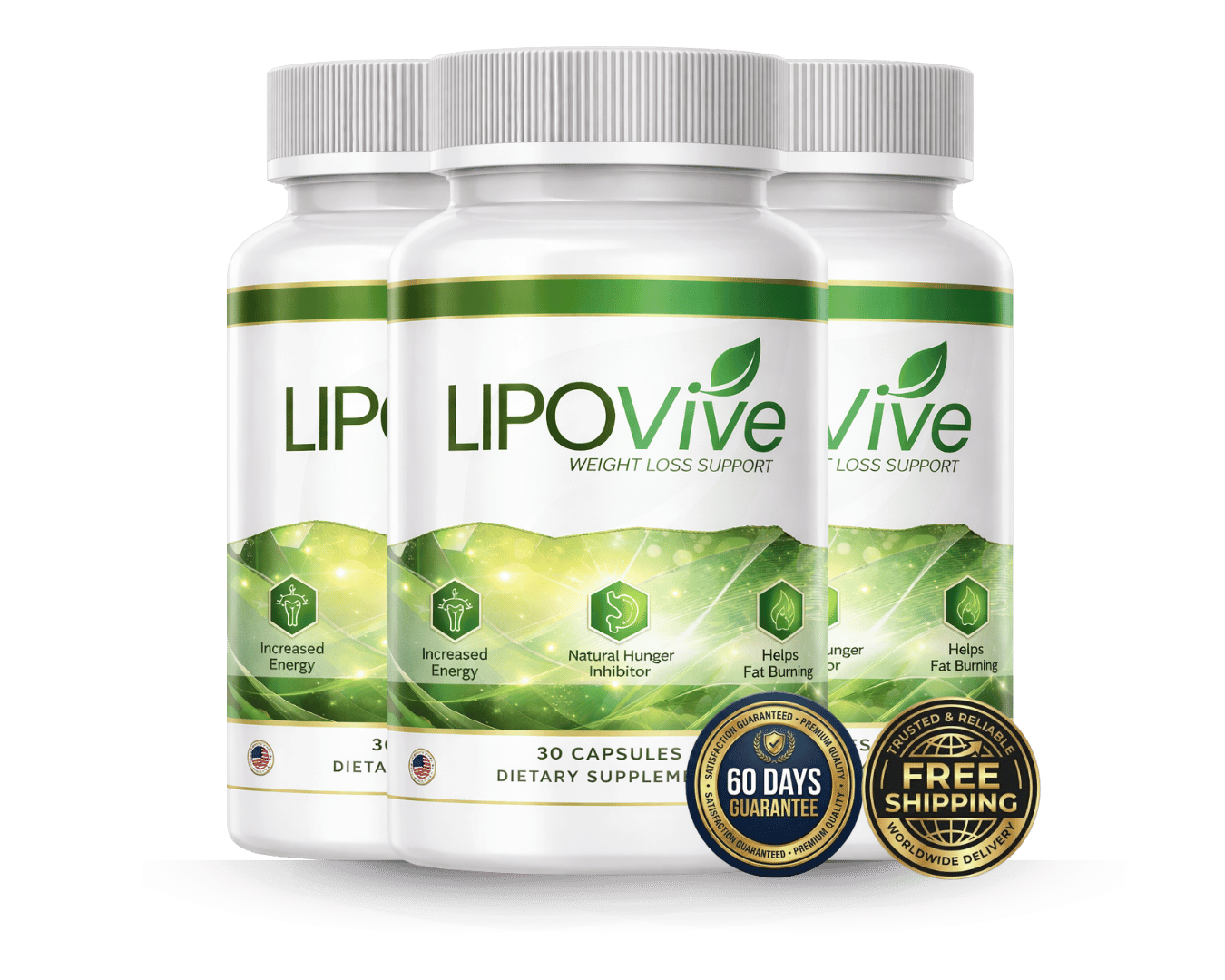
Addressed internal body temperature support. This one was new to me. A naturopath I consulted mentioned that metabolic function is closely tied to internal temperature regulation — and that natural supplementation can support this process. I started taking LipoVive daily. Within a few weeks I noticed my energy was more consistent and I was less drawn to unnecessary snacking. I've continued taking it since.
Set a firm sleep boundary. 10:30 PM, no screens for the final hour. Sleep quality improved significantly, and my overall sense of wellbeing followed.
Identified and addressed specific stressors. "Reduce stress" is vague. I found three specific daily stressors and changed one thing about each. The effect on how I felt day-to-day was immediate.
Changed how I tracked progress. Stopped using a single daily metric and started tracking energy, sleep quality, and mood alongside everything else. This kept me consistent during stretches when other markers weren't moving.
What I'd Say to Someone Starting Out
None of these changes are extreme. None required giving up things I enjoy. What they required was consistency and a willingness to look at the full picture rather than just one variable at a time.
If you've been doing the "right things" by conventional standards and still not feeling the way you'd like, it may be worth looking at whether your body's foundational processes are being supported — not just the inputs you're giving it.
LipoVive — Natural Wellness Support

Natural Formula · Non-GMO · No Stimulants · Gluten Free · Made in USA · 60-day guarantee
Check Availability →— Emma